
How Busy Periods Affect Taxi Driver Planning
Busy periods can look profitable from the outside. More people need rides, fares rise in number, and the streets feel alive. Yet for drivers, a busy shift can also become messy if there is no plan. The work does not only involve picking up the next passenger. It involves reading demand, choosing locations, protecting time, and keeping enough energy to drive safely until the rush slows.
The first planning issue is timing. A driver who starts too late may arrive when the best part of the rush has already passed. A driver who starts too early may spend valuable hours waiting, then feel tired when demand finally rises. This is why many experienced drivers study patterns before they begin. Train arrivals, school runs, theatre closing times, airport waves, shopping hours, and weekend nights can all shape the day. The aim is not to guess perfectly. It is to avoid entering a busy period with no idea where demand may form.
Location choices also become sharper when roads fill up. During quieter hours, a driver may move across town without much cost. During peak hours, one wrong turn can trap the vehicle in slow traffic. A sensible plan may involve staying near areas with repeated short trips instead of chasing one uncertain fare. This can help the driver keep moving and reduce wasted time.
Busy periods also change how drivers think about breaks. Some may feel tempted to work without stopping because every minute seems valuable. That can be risky. Tired drivers react more slowly, speak less patiently, and make poorer decisions. A planned break before a rush may protect the rest of the shift. Even a short stop for food, water, and a clear head can make later hours steadier.
Vehicle readiness matters as well. A cab that needs fuel, cleaning, or small checks during a rush loses earning time. Drivers may benefit from handling these tasks before demand climbs. A clean vehicle, working lights, charged devices, and enough fuel can make the shift feel less hurried. Small details can decide whether a driver keeps moving.
Cover should also sit inside the planning process, not outside it. Taxi insurance is different from standard car cover because taxi drivers carry passengers for reward, often drive higher mileage, and may work at busier times of day and evening. Public hire cover is for taxis that can be hailed on the street or picked up at a rank, while private hire cover is for pre-booked journeys through an operator or app. Drivers may also consider comprehensive cover, third party fire and theft, public liability, or breakdown support, depending on how they work and what risks they want to manage.
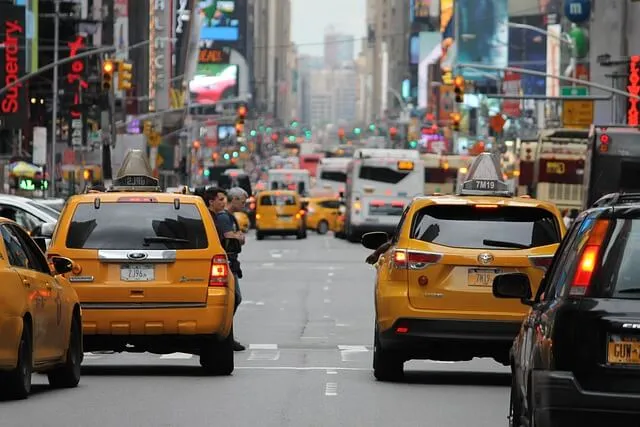
Image Source: Pixabay
Busy periods can also affect customer behaviour. Passengers may be late, cold, impatient, or worried about missing a train. Some may change their destination after getting in. Others may carry luggage, shopping bags, or children’s items. A driver who expects pressure can respond better. Clear greetings, route checks, and calm updates can prevent misunderstandings.
Money planning needs care too. A busy shift can create strong earnings, but it can also bring extra costs. More miles mean more fuel use. Stop-start traffic can place pressure on the vehicle. Late-night work may bring higher cleaning risks. A driver who only counts fares may miss the real cost of the shift. Net income gives a truer view.
No busy period works the same every time. Weather, events, roadworks, and local habits can change the flow quickly. For that reason, taxi insurance is only one part of a wider planning picture. Drivers may also need flexible routes, realistic shift targets, and a habit of reviewing what worked after each rush.
Good planning will not remove every problem. It may, however, help drivers turn busy hours into controlled work instead of rushed work. When timing, location, rest, vehicle checks, customer care, costs, and taxi insurance all receive attention, the shift can feel less like a scramble and more like a planned service.

Comments