
Gold Has Always Been Turkey’s Hedge, Now Commodities Trading Widens the Field
For generations, gold has been a prized possession in Turkish homes, tucked away in dowry chests, handed down as wedding gifts, and quietly kept as a form of wealth that survives political cycles and currency fluctuations. In Anatolian towns, grandmothers still measure wealth in gram gold, not lira, a habit that predates modern banking and has proved remarkably resistant to change. The inherited instinct for tangible assets is now looking for new outlets, as more Turks seek a wider basket of physical goods beyond bullion.
Jewelers say customers are more interested in silver and platinum than in the past, and are treating precious metals as diversified stores of value, not just investments. This move from thinking about single assets to thinking about a portfolio of assets is a change in the way that ordinary savers think about financial security. It also reflects growing awareness that gold is not the only commodity able to hold value when the lira depreciates.
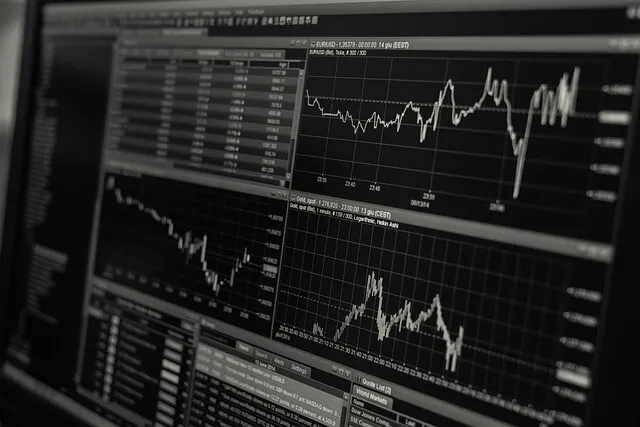
Image Source: Pixabay
Agricultural commodities have also entered the debate, especially among those with rural ties or family farms in places like Konya and Adana. Wheat and cotton, once the concern of farmers, are now common topics of conversation for people with no direct interest in farming, because these commodities move independently of domestic currency problems. The burgeoning interest in commodities trading has been further fueled by the advent of mobile apps that enable everyday users to purchase fractional exposure to oil, natural gas, or agricultural futures without the need for a brokerage account in the conventional sense.
Turkey is a key transit point for oil and gas moving between producer countries and markets in Europe, so energy commodities matter a great deal to the country. Those living in places like Ceyhan, home to some of the world’s largest pipeline terminals, tend to understand the way changes in global energy prices echo in local economic conditions. That familiarity has made some more comfortable exploring commodities trading as an extension of knowledge they already have from living close to the infrastructure itself.
Financial advisers in Izmir say their client base has become noticeably more sophisticated over the past few years, asking pointed questions about the correlation between metals, energy, and currency moves. A decade ago, when retail interest generally ended at buying physical gold coins from the local kuyumcu, this kind of layered thinking was not as common. The shift suggests that economic hardship, however unwelcome, has driven a segment of the population toward more sophisticated financial literacy. Small investors in Ankara have also begun to see commodity exposure as a combined hedge against inflation and currency depreciation, spreading holdings across physical gold, silver, and agricultural-linked positions. Although such reasoning is often informal, it reflects tactics that professional portfolio managers have used for decades.
The Turkish case highlights the deep interdependence between cultural habits and modern financial instruments. The advent of digital platforms has democratised commodity trading, resulting in a boom in interest in metals, energy and agricultural products among a broader section of the population. It is unclear whether this broader interest in commodities will persist once inflation subsides, but for now it represents a measurable expansion of a hedging pattern that Turkish households have relied on for generations.

Comments