Why MetaTrader 4 Remains Popular After All These Years
Trading platforms evolve quickly. New features, redesigned interfaces, and advanced analytical tools appear almost every year, yet one platform continues to attract millions of traders despite its age.
That platform is metatrader 4. Released in 2005, it remains widely supported by brokers around the world, even after newer alternatives entered the market. At first glance, that longevity may seem surprising. Why would traders continue using software that is nearly two decades old?
The answer has less to do with nostalgia than with practicality. In trading, reliability often matters more than novelty.
Familiarity Reduces Unnecessary Complexity
New traders sometimes assume that a platform with more features automatically produces better results.
It rarely works that way.
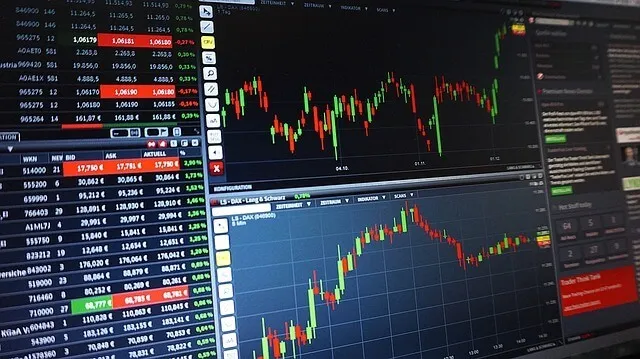
Image Source: Pixabay
MetaTrader 4 presents charts, order windows, and technical indicators in a straightforward layout that many traders learn quickly. Instead of navigating dozens of advanced functions, users can focus on analyzing price action and executing trades without constant distractions.
A platform should support decision-making, not compete for attention.
That simplicity becomes increasingly valuable during volatile market conditions.
A Large Community Creates Long-Term Value
Software becomes more useful when people continue building around it.
MetaTrader 4 benefits from one of the largest trading communities in the industry. Thousands of custom indicators, automated strategies, educational guides, and discussion forums have accumulated over the years, making it easier for traders to find solutions to common challenges.
Imagine a trader wanting to test a moving average crossover strategy. Rather than building every tool from scratch, they can often find existing indicators, optimization guides, and tutorials created by experienced users.
That ecosystem shortens the learning curve considerably.
Stability Often Beats New Features
Many technology products compete by adding more functionality.
Trading platforms operate under different priorities.
Consider a trader monitoring EUR/USD during the release of U.S. nonfarm payroll data. Volatility increases sharply within seconds as spreads widen and prices move rapidly. In that environment, dependable order placement and responsive charts become far more valuable than visual enhancements or experimental features.
This is where older software can have an unexpected advantage.
Years of widespread use have exposed bugs, refined workflows, and improved compatibility across countless broker environments. Stability becomes part of the platform’s appeal rather than a limitation.
Newer Does Not Always Mean Better
It is easy to assume that upgrading automatically improves performance.
Experienced traders often challenge that assumption.
A profitable trading approach usually depends more on execution quality, risk management, and consistency than on the latest software release. Many professionals continue using familiar platforms because changing technology introduces unnecessary variables into an already demanding process.
The platform itself rarely creates an edge.
The person using it does.
That perspective explains why experienced traders sometimes remain with established software long after newer alternatives become available.
The practical takeaway is straightforward. Before switching platforms solely because a newer version exists, evaluate whether your current tools genuinely limit your trading process. If the platform provides reliable execution, sufficient analytical tools, and stable performance, there may be little reason to replace it. For many traders, those qualities explain why metatrader 4 continues to hold its place in modern financial markets.